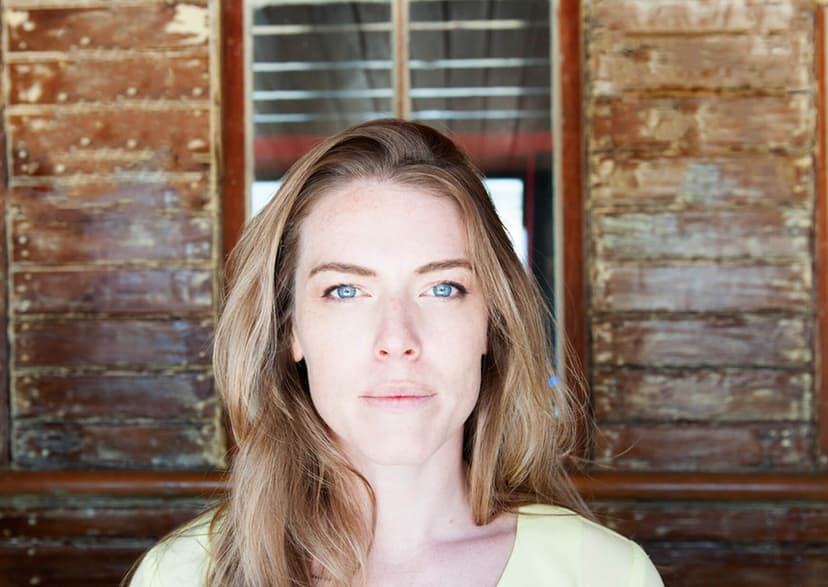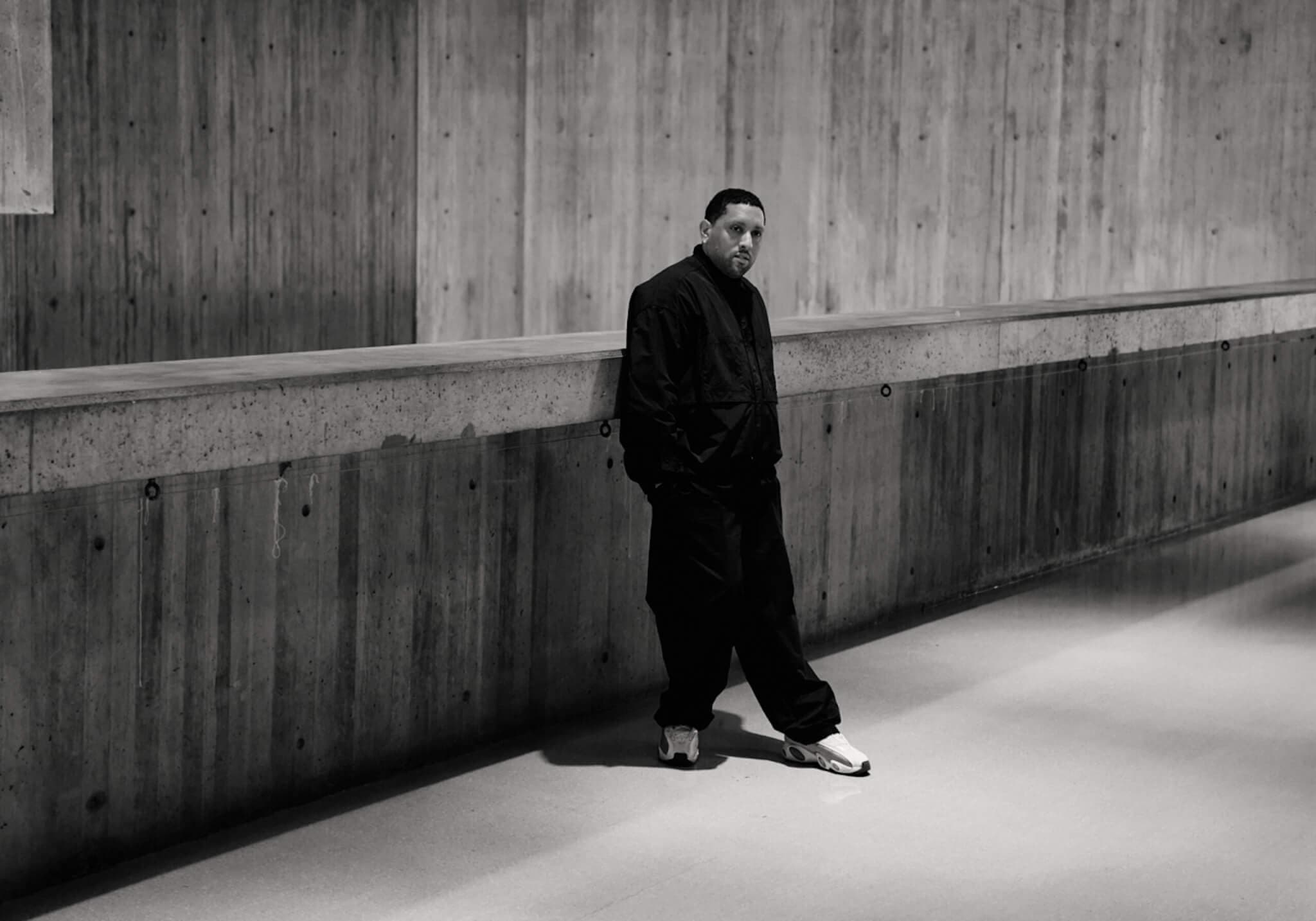
Mayor Wu’s office today announced the appointment of Joseph Zeal-Henry as the chief of arts and culture for the City of Boston. Sometimes referred to as the “Art Tzar,” this cabinet-level position makes Zeal-Henry the highest-ranking city official responsible for arts and arts policy in the City of Boston government. His appointment is a relief to those anticipating an appointment in the fourteen months since the departure of Kara Elliott-Ortega, who served in the role from 2018–2024. Kenny Mascary served as interim chief of arts and culture, and it was announced along with Zeal-Henry’s appointment that Mascary will serve in a new role as senior advisor for creative economy.
Zeal-Henry is in many ways a natural choice, having served for a year and a half as the director of cultural planning in the Mayor’s Office of Arts and Culture (MOAC). He moved to the Boston area in 2023 for a Loeb Fellowship at the Harvard Graduate School of Design. As chief of arts and culture, he will further draw on his past experience as a designer, curator, and urbanist for London’s deputy mayor for culture and creative industries—work informed by his involvement in the UK’s underground music and independent scenes. His work as publisher of Sound Advice, an independent platform for addressing social challenges through music, narrative, and community organizing, led him to co-curate the British Pavilion at the 2023 Venice Architecture Biennale with the project Dancing Before the Moon.
I sat down with Zeal-Henry while he was still in the role of director of cultural planning to discuss his vision for the role of government in the arts, how he plans to use the power and resources of the office to shape the city’s cultural landscape, and how he sees its potential to lead cultural policy in city agendas on national and international stages.
This conversation has been edited and condensed.
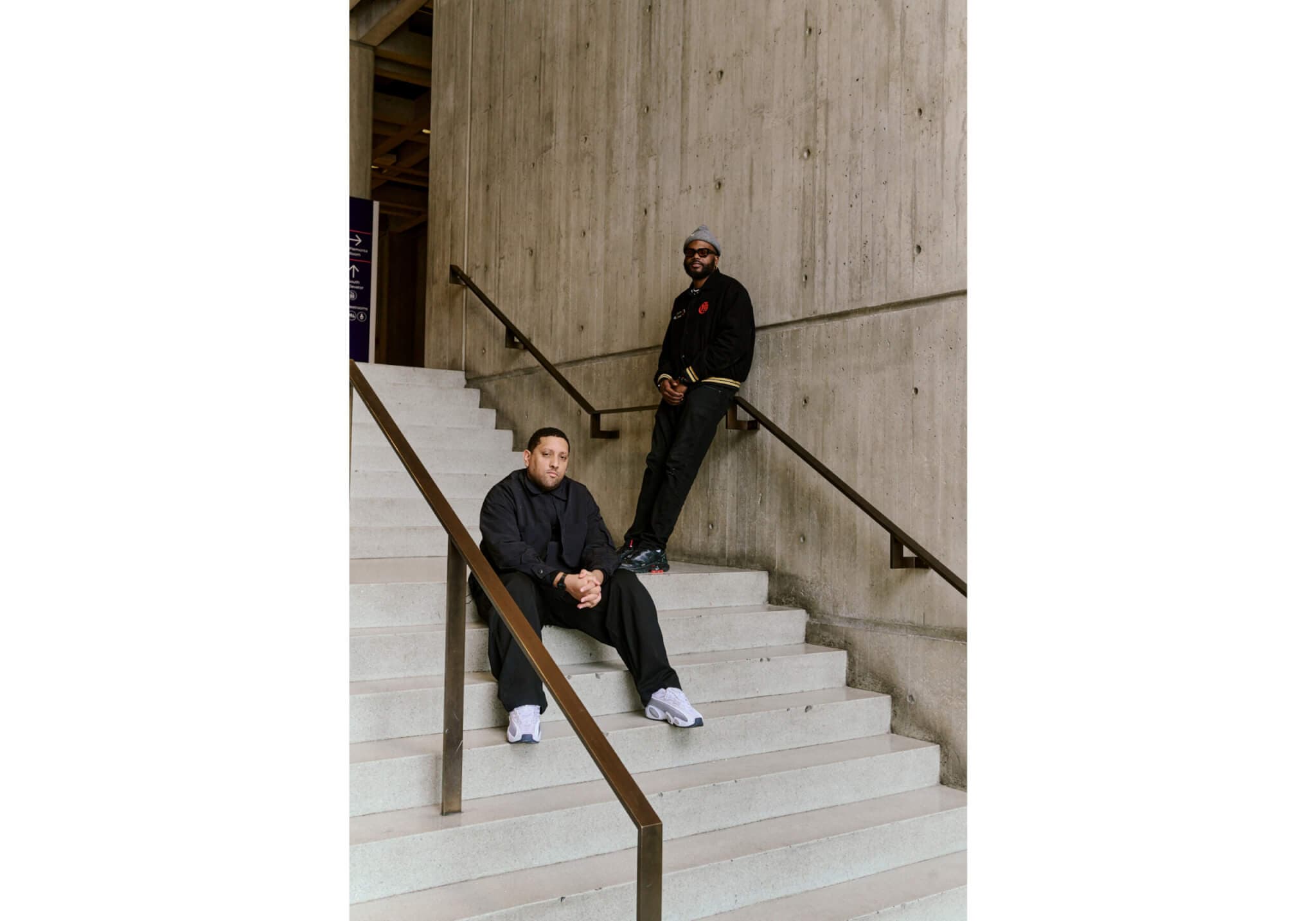
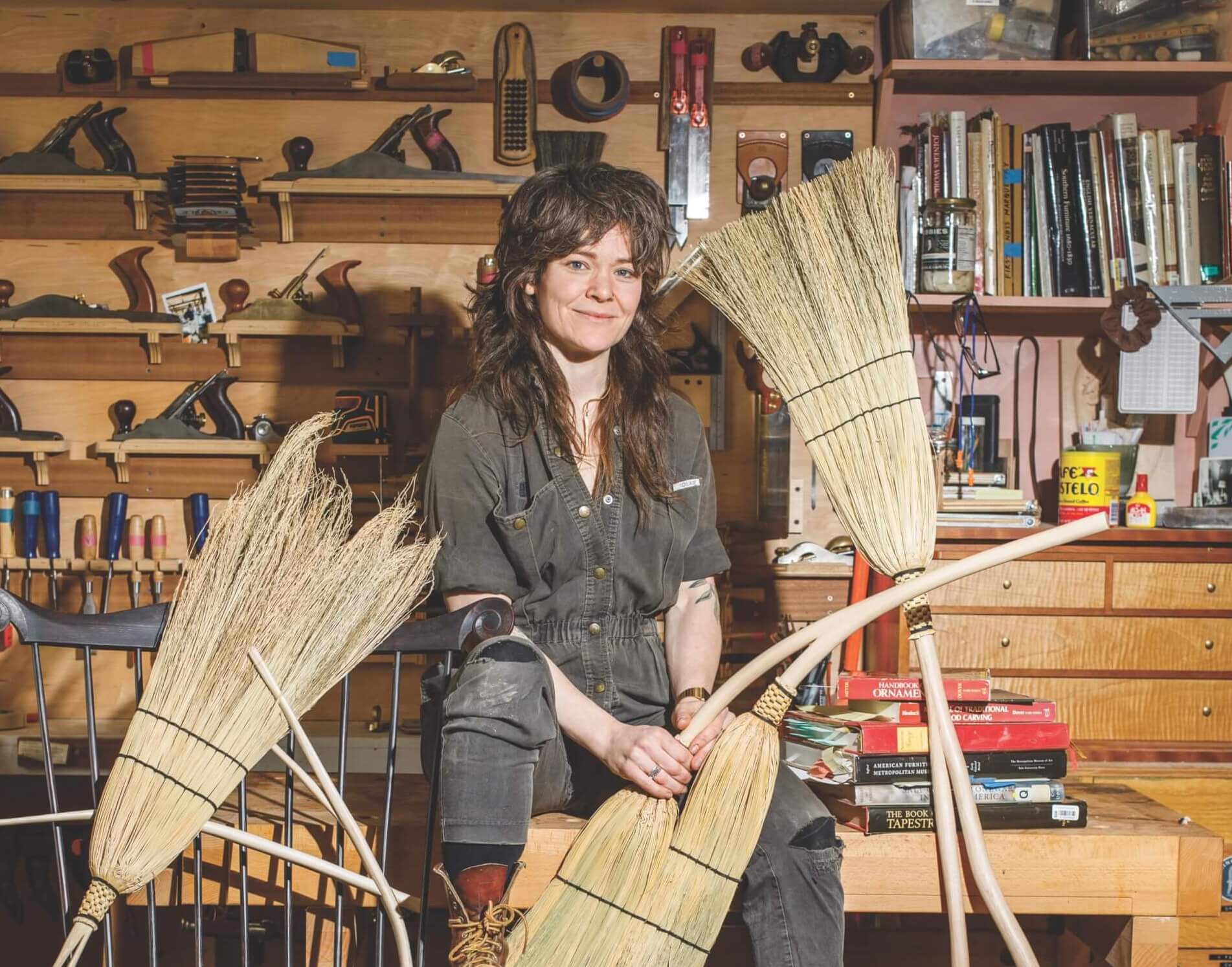
Joseph Zeal-Henry and Kenny Mascary, 2026. Photo by Malakhai Pearson.
KC: The naming of Boston’s new chief of arts and culture has been very hotly anticipated. In the mayoral election it was clear that people were frustrated that the position was empty for ten months since Kara left. It would be great to hear a bit about how you’re thinking about this role and how you’re planning to shape it.
JZH: The city of Boston is 400 years old, so in some ways this is a very new job. I’m only the third person to hold it. But what I really want to do is honor the amazing work and amazing practices from across the creative community in Boston and find ways of helping to advocate for issues around space and infrastructure, whether that be physical space, financial tools, or policy tools to help sustain the creative workforce, economy, and community as much as possible.
I have a background in design, so I’m very interested in expanding the notion of what arts and culture are from traditional forms into much broader forms. Culture has the ability to demonstrate lots of different policy perspectives at the same time. We can talk about public health, about issues of belonging, issues of affordability, all through the lens of arts and culture.
KC: You’ve been working in the Mayor’s Office of Arts and Culture for a few years. How do you think your experience as the director of cultural planning will translate to this cabinet-level position in city government?
JZH: The director of cultural planning is a strategic role in the Office of Arts and Culture. You’re dealing with public art; you’re dealing with trying to secure funding for grant programs; you’re thinking about space; you’re thinking about policy at large. So the experience of working in that role was a good vantage point to see the different interconnected, interdependent relationships that take place inside City Hall, but also relationships external to City Hall.
The realization that no one can do it all on their own is something I discovered as director of cultural planning. There you are relying on developers, on brilliant arts organizations to collaborate with, on so many partners to pull anything off. That collaboration and partnership ethos is something I want to bring into this role.
We’re definitely at a point in history where mutuality, collaboration, connectivity, and solidarity are essential between different groups. This is something that I learned in London when we went through the shocks of Brexit—that the way everyone survived was by coming together and being collaborative, which has led to a very interesting growth in creative output from London over the last decade. In America right now, there’s a similar shock being felt politically. And I think the response should be more coming together, more collaboration, because I think that’s how we’ll get the resources to do the work that we want to do.
KC: It sounds like you are thinking of arts policy as connective tissue across the City’s various agendas. Do you have any concrete ideas for what that could look like?
JZH: Well at the moment, we are working on a housing scheme with the Boston Housing Authority, which will bring forward 40,000 square feet of affordable music rehearsal space and up to 150 units of affordable housing.
Both artists and families speak about affordability. Can we bring both of these needs and our different partnerships and perspectives together to create something new, which has more added value than if you try to do this on its own? Boston is a physically small city. Therefore in order to make space for housing or make space for arts, we’re going to have to find ways of bringing space forward together. People don’t often think of government as a space for alternative visions or propositions. So in leading this department I’m interested in what would happen if we let artists address some of these policy challenges and social challenges that we’re facing.
KC: Have you been able then to work collaboratively across different departments within the Mayor’s Office?
JZH: We work very closely with our economic opportunity and inclusion team. We are particularly thinking about downtown [revitalization]. It was MOAC that convened a new downtown working group of City Hall, which has representation from transit, economics, and policy planning, all working together to think through the future of our neighborhoods. What you realize is that people are very happy to work with the art department because most people have artists in close proximity to them, so they understand the needs of the community. And we’ve been doing lots more research work to understand more detail about what is the creative community of Boston. We recently surveyed a representative sample of the city and it came out that 18 percent of people in Boston said that the creative economy was their primary source of income.
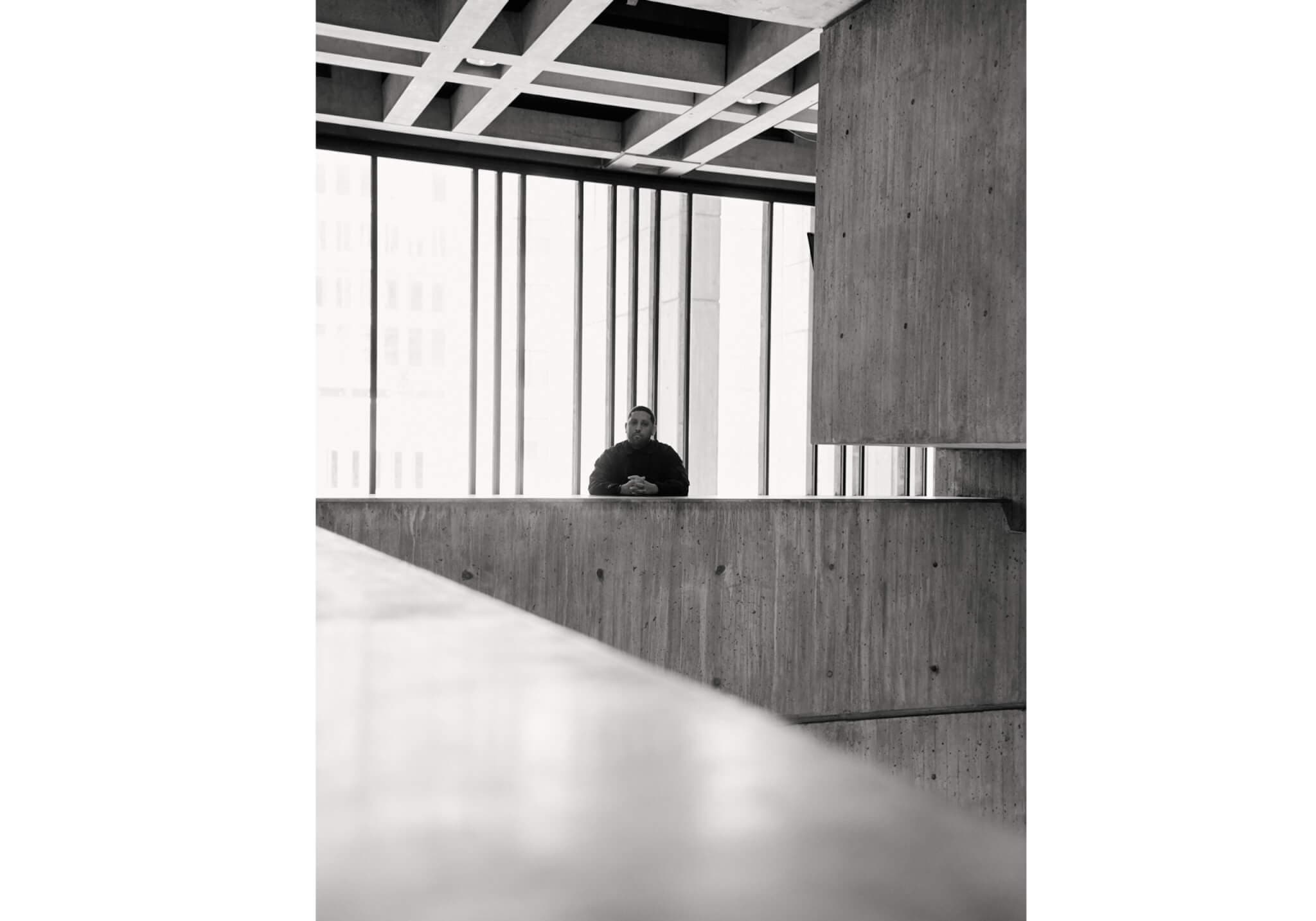
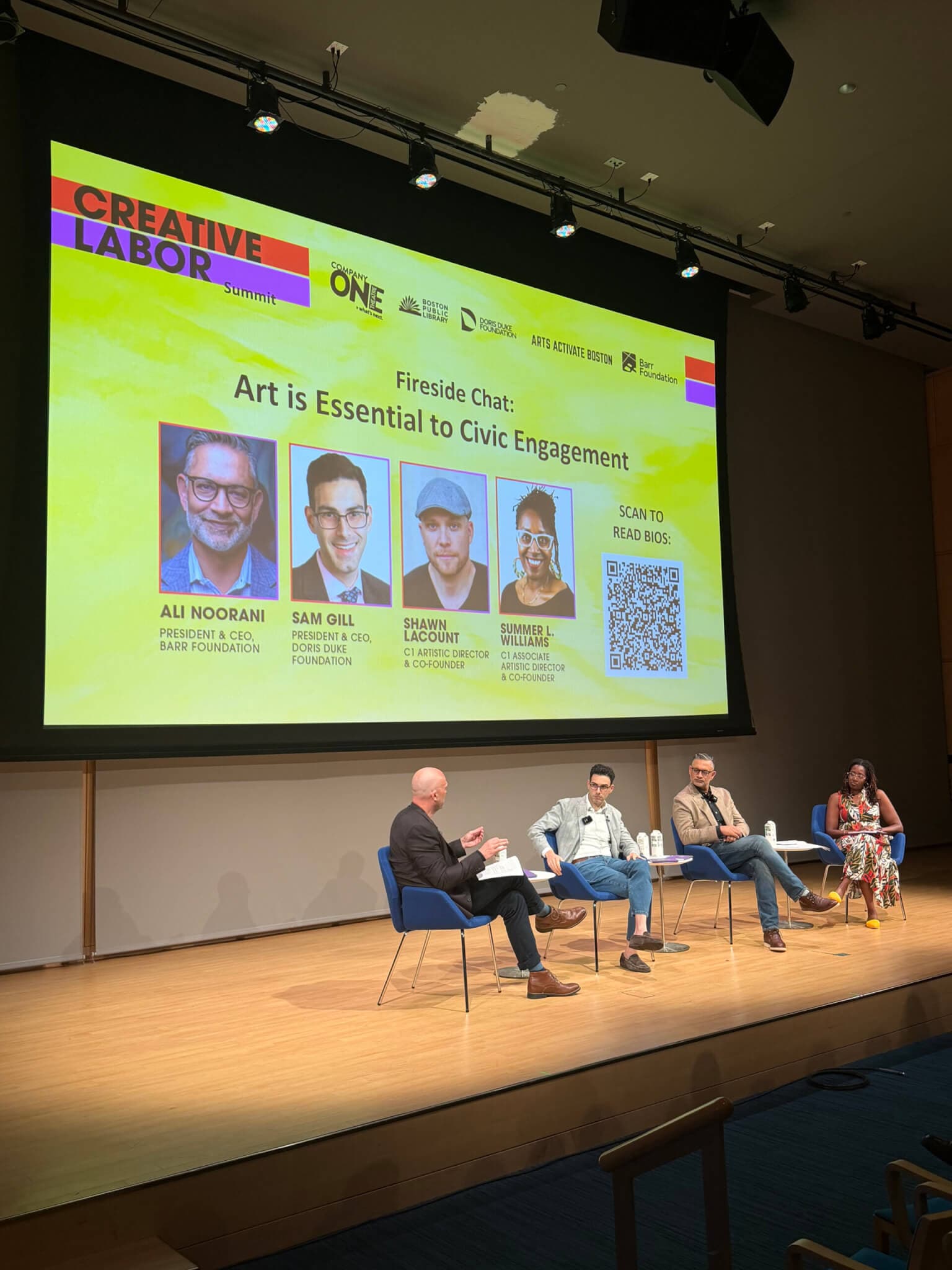
Joseph Zeal-Henry inside Boston City Hall, 2026. Photo by Malakhai Pearson.
KC: So, to ask something kind of cheeky: Boston and Massachusetts have really hung their reputational hats on academia and innovation. And now with the collapse in the biotech sector—so many companies that enjoyed support from special programs by the City are either closing or moving out of state—is there a universe in which the arts could take that role, becoming the sector the city government looks to for economic development projects?
JZH: As part of becoming the chief of arts, I’ve appointed Kenny Mascary, who’s interim chief, into a new position of an advisor to the creative economy. I’m going to be setting up a creative economy task force in the city to look at exactly that question: Can the creative economy become an economic growth driver for Boston?
What’s really interesting is we are working on a report with some economists that looks fifty-five years into the future of Boston and what we need to do now to build out this creative economy of the future. And one of the recommendations is this idea of Boston becoming a hub for a new industry that we are calling creative R&D, which is this intersection of the creative economy and research development.
So rather than the arts being a new thing to Boston, how can we build on that tradition of IP and new ideas? We have businesses like WHOOP in Boston, which is wearable tech that interfaces between fashion and technology. So we would put that in what is called a “Creative R&D” bucket. I think there is something interesting around this opportunity for Boston to own creativity in a way that’s comfortable for it and is to the benefit of the arts and culture community, but also to the economic future of the city.
KC: It seems like policy, especially in your role, can really form the infrastructural substrate that can allow that to happen.
JZH: Yeah, and advocacy as well. And telling the story and weaving this new industry into Boston’s past so it doesn’t seem like it’s a new thing, but that it’s an evolution of what has come before. And this idea that Boston is a city that fixes problems or solves problems, that it’s an IP city or a city of R&D. Whether that’s from the work of Mel King in the South End or advocating for mixed-use housing developments, to the work of the Center for Bits and Atoms at MIT that produces all this new technology that’s very innovative. There is so much social innovation and civic innovation that comes out of the city. And I think this idea of creative R&D and the creative economy being the future industry of Boston actually speaks quite comfortably to that history. Rather than it being a new thing, it’s actually something that very much keeps with Boston’s civic traditions.
KC: How do you envision creating opportunities for artists to bring ideas into the structures of government?
JZH: We’re relaunching our Boston Artists-in-Residence Program after a recent review.
Boston has a great history of social practice, which has traditionally been quite challenging to document and articulate because of its ephemeral nature. And then we’re thinking about the role of government in trying to help tell the stories of these different mutual partnerships, communities, social practices, creative commons, which is actually a very Boston phenomenon. I think that’s going to be one of our most interesting conversations, how to articulate a city’s culture when so much of it is ephemeral or deliberately underground for lots of reasons.
KC: How does thinking through these questions of ephemerality map to your vision for the kind of cultural city Boston is and could be in ten or twenty years?
JZH: What I see in Boston is a layering of civic tradition with applied creativity. It’s a city that essentially worked out how to do high-fidelity sound. It’s the home of the American Revolution, which was essentially a DIY zine, since pamphlet printing was so integral to it.
You can read a lot of Boston’s civic history as creative and cultural history or artistic history. And I think about the moment we’re in now where we’re trying to think about how we fix problems, be they political, social, environmental. I feel like Boston artists are predisposed to thinking about their setting precedent or setting standards for the rest of America or beyond. And I think that that tradition of being social or environmental or political is something that makes Boston’s cultural scene unique. I’ve always thought that Boston’s creative industry is actually intellectual property and that it unites its innovation community, its healthcare community, and its arts community.
I think that making things public is a really critical part of government. So the process of how things are done is as important as the thing that gets done. And art is fairly similar in many ways that the process is as important as the final artwork.
KC: That makes me think about your past work with underground music scenes. I’m wondering how you’re thinking about balancing the need to have underground scenes with making things public, now as a government official. What do you think is the relationship between the underground and the public?
JZH: I think the government’s responsibility is to be transparent and public. There’s also an aspect of care and understanding in what you are doing and trying to listen and have a sensibility about what communities are underground and why. It’s about being safe and about sustaining gatekeeping in a good way. Sometimes it’s really important to keep artistic communities small.
I remember when I left design practice and went into government, my old managers said, “Well, the thing you have to realize about government is you’re not the ones doing it.” They meant in government, you become a facilitator. And I think that speaks to the big and important question of what is the role of government in art? What is our role in an arts ecosystem? How do we not step on people’s toes and how do we facilitate other people’s work? I think the role of government in art is to build infrastructure. Then the question becomes, what is cultural infrastructure?
In Boston, we probably need to support artists by creating new financial models. We have a relatively light cultural policy landscape in the city. I think the role of policy in securing better mitigation or public private outcomes is something that I really want to focus on. Our role is unique because we’re not a museum; we’re not a gallery; we are not event promoters. We are the government, so I think we should think about what we do through a lens of infrastructure.
KC: That reminds me of the layoffs at the MFA, Boston. How are you thinking through the relationship between government and local cultural institutions and does the government have a role in holding institutions accountable to the public?
JZH: I think the reality of the relationship between government and institution, government and artists, is a sense of interdependence. They really rely on each other in order to sustain themselves. I don’t think you can separate the fact that Boston invested fifteen years of massive arts education expansion as a separate investment to the running of a museum. The two have to be done together in their interdependent relationships. And therefore I think there is a shared need for some sort of social contract. It’s important for all institutions and all organizations in Boston to understand that they benefit from the wider social context that the City and its citizens work to accomplish.
As I take this job, I’m looking forward to working in partnership with our institutions and having conversations with them about what that means and also thinking and making. One of the things that’s important to me is making sure that people understand the priorities of our department and us being able to articulate what we’re trying to achieve and what’s important to us.
KC: Mayor Wu has demonstrated national leadership in terms of coalition-building, specifically as it relates to how cities are responding to Trump’s deployment of ICE and targeting of sanctuary cities. I’m wondering if you’re envisioning something similar for your role in terms of subnational or city-to-city coalition-building among arts policy leaders in a similar way, particularly given the federal government’s budget cuts and attacks on DEI-related cultural programs.
JZH: It is going to be really important for us to work in these coalitions, in these partnerships. For example, we’re about to launch a report with Cambridge and Somerville looking at how to make more space for art, and we are currently researching production capacities in eastern Massachusetts with local partners there.
More broadly, Boston is part of the World Cities Culture Forum with other American cities—like Chicago and LA, New York, Austin—in that network. How do we start to have conversations with other American cities to think about what they’re doing? I think it’s much better to refine someone else’s idea than invent something new that doesn’t necessarily work.
So we want to make sure we’re part of this wider global conversation of arts policy because if Sydney’s doing something amazing, we should learn from them. If Seoul or London is doing something amazing, we should learn from them. What you realize through these networks is that the cities are very happy to share information.
We are currently working on design guidance for cultural spaces. I think there’s always been this idea that somehow cultural space is the easiest space to design, but actually cultural space is very technically specific in terms of the end user space. So how do we elevate the cultural design for our spaces? That is something that has been thought through in London. That is a model that I’m interested in. Lots of amazing cities are doing thoughtful work around the world, thinking about arts policy. How do we make sure that Boston is part of that conversation?
KC: Can you share any kickoff projects that you’re looking forward to starting?
JZH: A priority for me is thinking strategically about how we create well-designed spatial infrastructure for artists and creatives that’s affordable. I think we need much more affordable creative workspace in the city.
We need to think about what it means to be a creative in an expensive city. What are our strategies? What are our tools? And I do think it’s going to be really important to think about who is making culture for whom. How do we go beyond access into participation—how do people participate in this if they wish to, rather than how do we get people access to systems? I often think the conversation around access is a bit like the conversation around inclusion, in the sense that it is a good start but it’s not deep enough. And actually what we’re looking at is participation. To me that’s a much more proactive relationship with culture and art than just being able to access a gallery.
I think what’s going to be really interesting in Boston is responding to the notion that people feel that you have to leave [the city] to develop your practice. Part of our response to this will be bringing other markets to Boston and then taking Boston to other markets. I want to make sure that Boston is a cultural export city rather than a cultural import city. It’s fine, in a healthy exchange or in a partnership, but actually it’s much better to be an exporter. I also think it’s really important to center the conversation of cultural production, because that’s where the economy is; that’s where the supply chains are. We need to figure out how to make more things cultural. How do we make more culture and make more art in Boston itself rather than relying on supply chains from other places?